
What is Polyamine coagulant?
Water-treatment Polyamine is a cationic organic coagulant. Its positive charge helps destabilize negatively charged fine particles in water so the particles can aggregate and be separated. The appropriate grade and dose depend on the water and the treatment equipment.
Polyamine is a family of chemistries. This page describes liquid grades considered for industrial water and wastewater treatment. Request grade-specific documents to confirm the material identity and suitability for your use.
Where to evaluate it
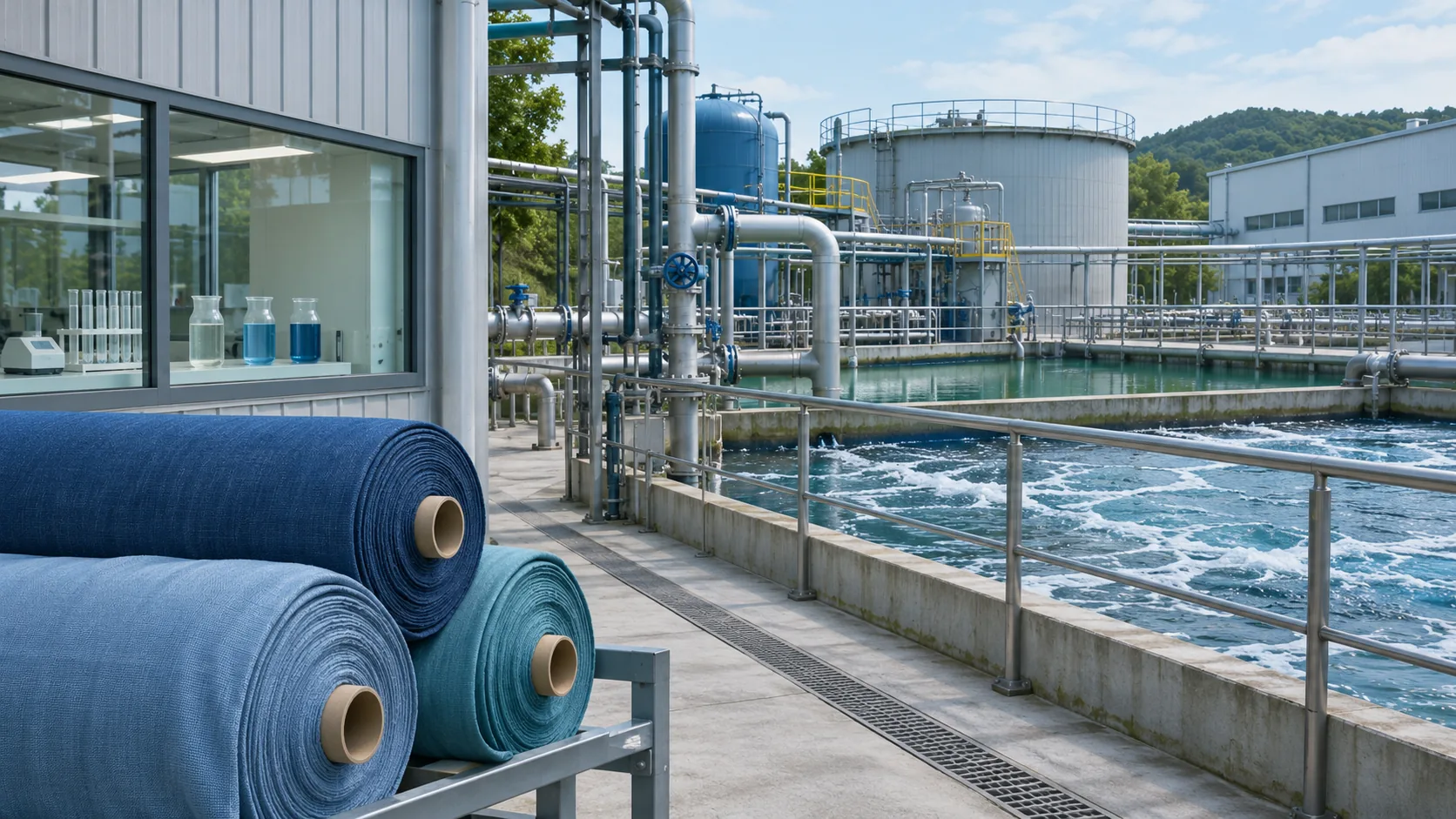
Common evaluation scenarios include industrial wastewater clarification, textile effluent treatment and process-water clarification. Compare the proposed grade with your current treatment on a representative sample.
Technical specifications
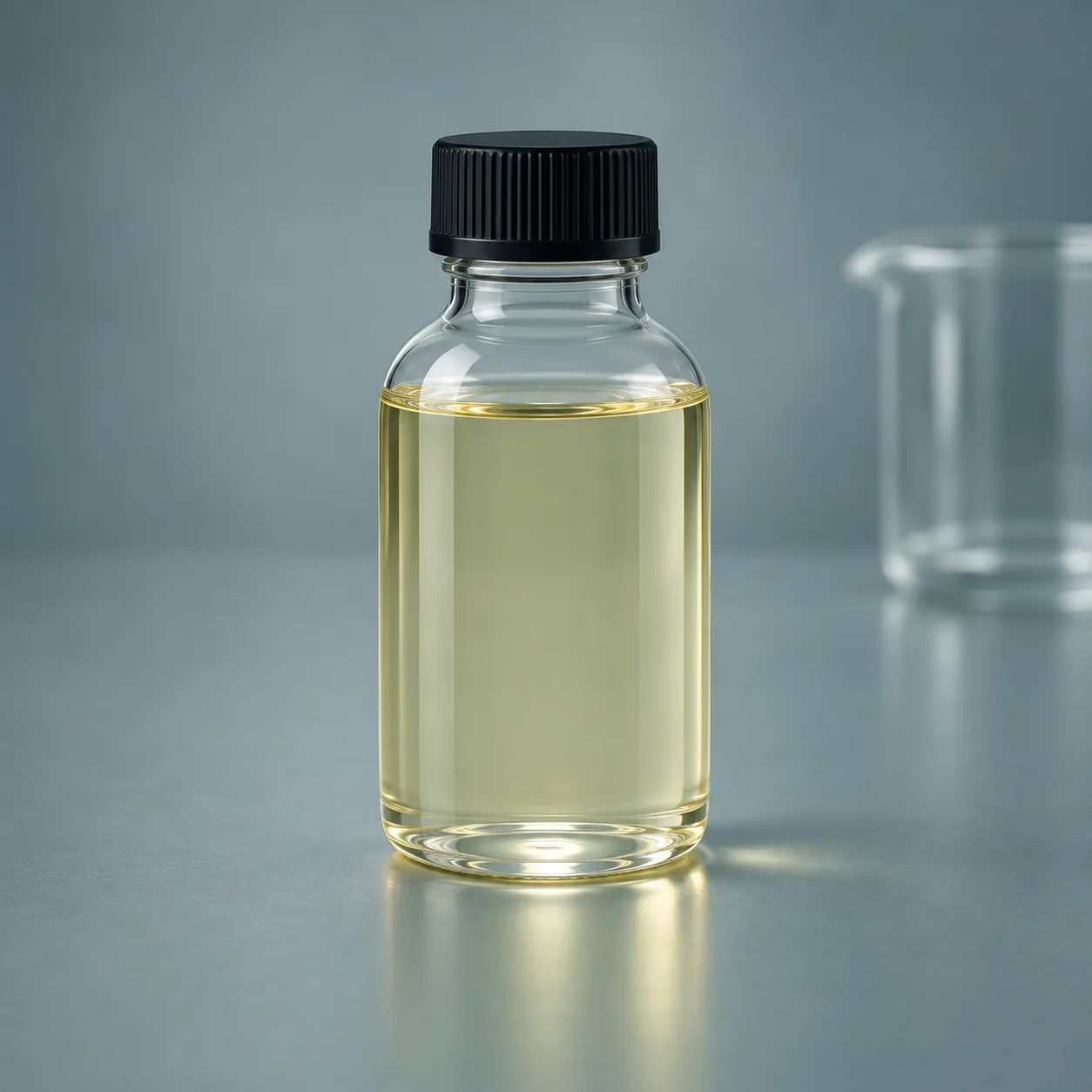
Polyamine (CAS No. 39660-17-8) is a clear, colorless to light yellow liquid that dissolves readily in water. Grades AC0021–AC0026 have a solids content of 50 ± 1% and a pH range of 4–7. The technical data sheet reports an endothermic transition at 32–39 °C and a thermal decomposition temperature of 200 °C.
| Grade | Viscosity (cP) |
|---|---|
| AC0021 | 50–100 |
| AC0022 | 100–300 |
| AC0023 | 300–600 |
| AC0024 | 600–1,000 |
| AC0025 | 1,000–3,000 |
| AC0026 | 3,000–6,000 |
Other viscosity ranges are available on request. Ask for the grade-specific technical data sheet (TDS), a representative certificate of analysis (COA), and the test conditions when comparing grades.
Applications
- Coagulation in sewage treatment and in oily wastewater from oilfield and mining operations.
- Coagulation in drinking-water treatment projects. Confirm grade suitability and applicable approvals for the intended use.
- Anionic trash control in papermaking white water.
Dilution and jar testing
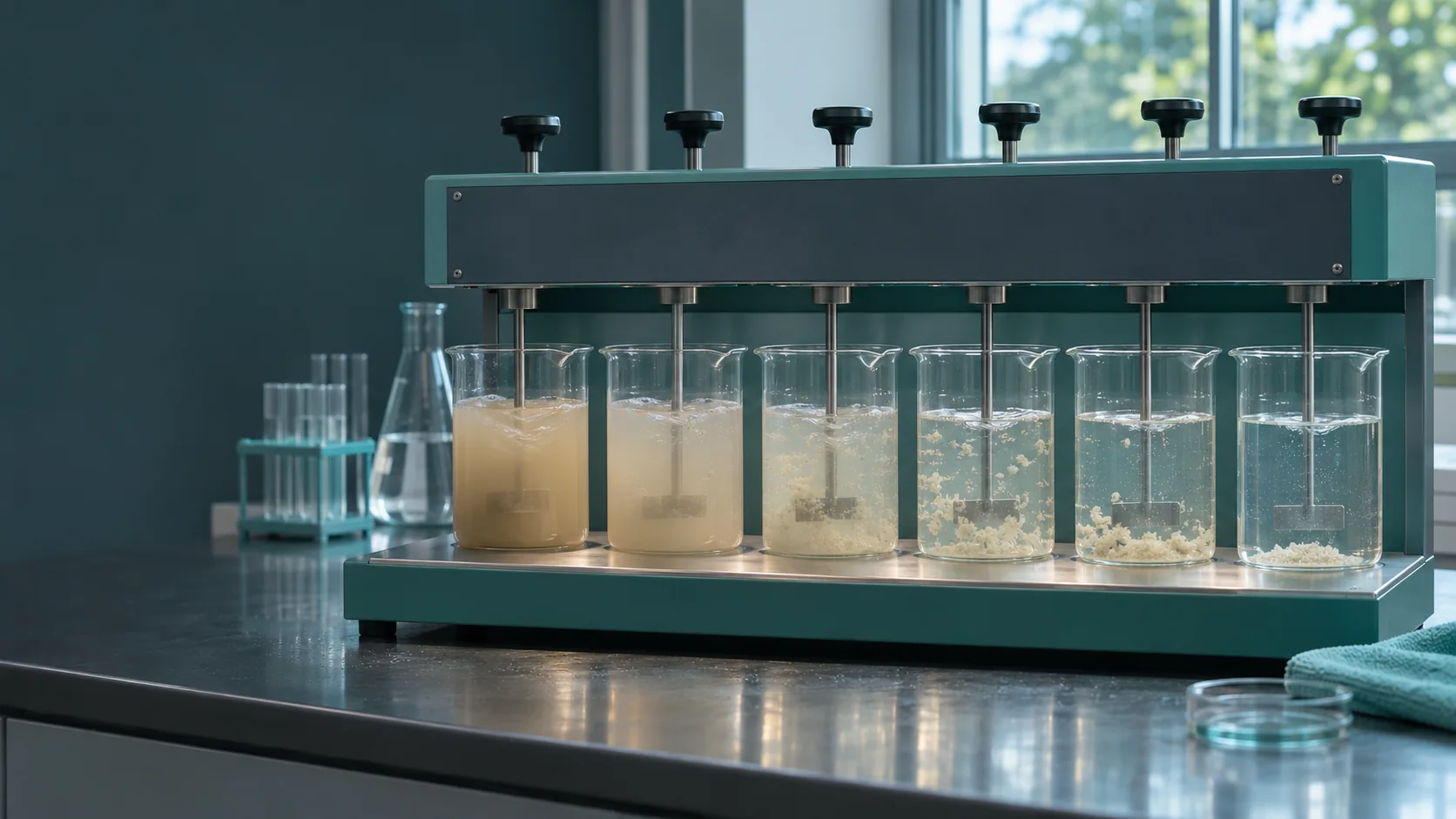
For textile printing and dyeing wastewater at pH 7–10, the TDS describes a 10- to 40-fold dilution before dosing. Use jar tests on a representative sample to determine the dose, mixing conditions, and feed point before scale-up.
Packaging and storage
Available in 200 kg polyethylene drums and 1,000 kg IBC tanks. Keep containers sealed and store them in a cool, dry place away from light and strong oxidizing agents. The TDS lists a shelf life of two years under the stated storage conditions. Consult the current safety data sheet (SDS) for grade-specific handling and transport information.
Frequently asked questions
Can one dose be used for every plant? Trial results depend on the water, existing chemicals and separation process. Use your own test data to select the operating range.
Can I request a sample? Include the intended application, trial size and shipping destination so we can discuss sample options for the proposed grade.
What do the gallery images show? They illustrate a chemical sample, laboratory testing and logistics. Product appearance and packaging are confirmed for the selected grade.
Request a Polyamine quote or contact ANGCHAO TECHNOLOGY to discuss your application.